
You’re shopping for your first real camera, or thinking about upgrading, and everywhere you look someone insists mirrorless is “the future” while someone else swears by their old DSLR. Both take great photos, so what’s actually different between them, and does it matter for what you shoot?
The core difference is right there in the name: a DSLR uses a mirror to bounce light up into an optical viewfinder, while a mirrorless camera skips the mirror entirely and shows a live digital preview instead. That one design choice drives most of the other differences between them.
Below, you’ll find how the two systems actually work, and how that shows up in size, autofocus, battery life, lenses, and video. Let’s hop in!
Mirrorless vs DSLR Cameras: What’s Actually The Difference?
In a DSLR, light passes through the lens, bounces off a mirror, and travels up into an optical viewfinder, so what you see is the actual scene in real time through glass. Press the shutter, and the mirror flips out of the way so light can hit the sensor. A mirrorless camera has no mirror to flip: light goes straight to the sensor, which feeds a live digital preview to an electronic viewfinder or the rear screen instead.
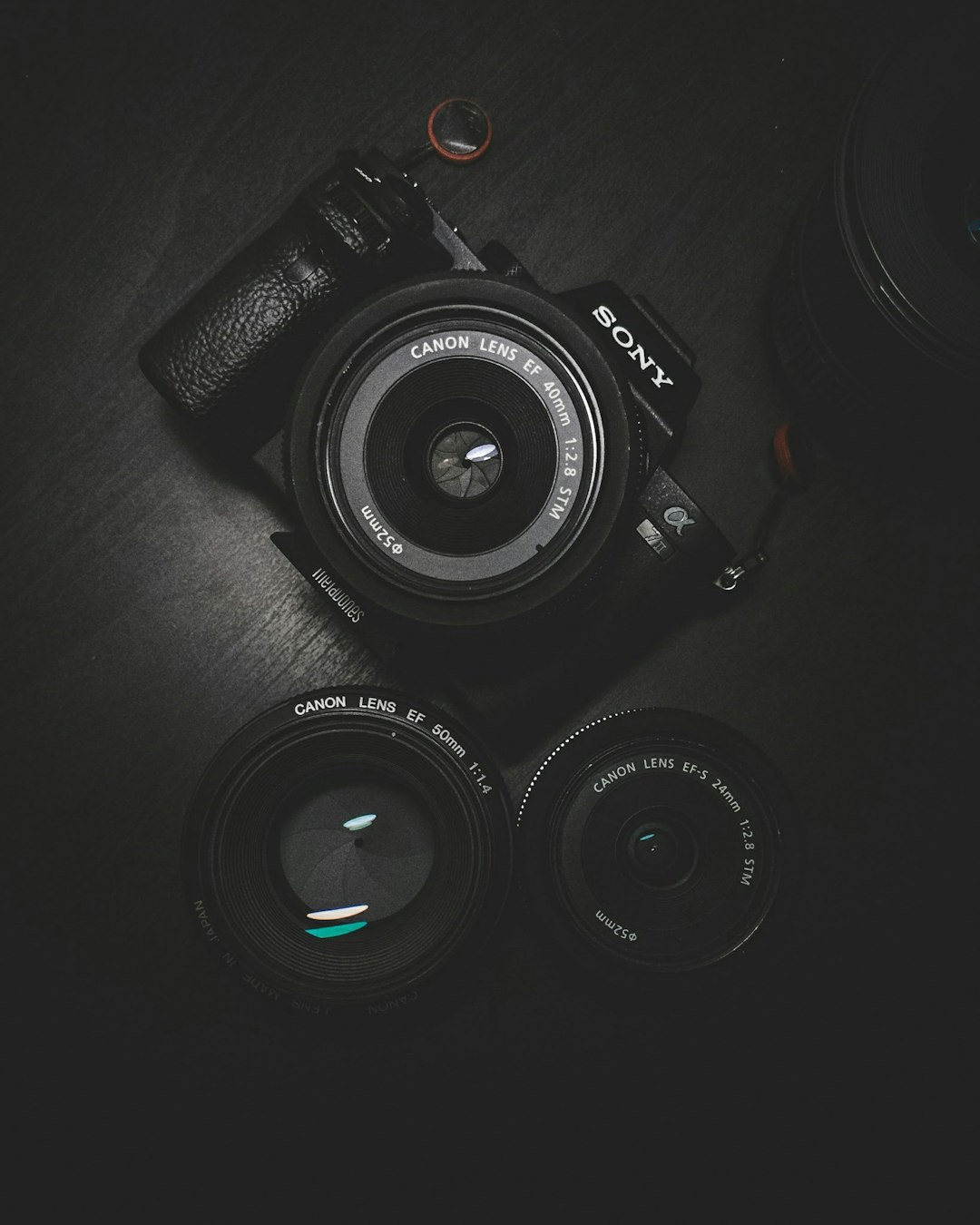
| Feature | Mirrorless | DSLR |
|---|---|---|
| Viewfinder | Electronic (live preview) | Optical (zero lag, no power draw) |
| Size and weight | Generally smaller and lighter | Larger mirror box adds bulk |
| Autofocus coverage | Sensor-based, covers most of the frame | Separate AF sensor, limited coverage |
| Battery life | Shorter (screen/EVF always powered) | Longer (optical finder needs no power) |
| Lens selection | Newer mounts, growing fast | Decades of lenses, often cheaper used |
| Video autofocus | Fast, same system as stills | Slower in live view mode |
Size And Weight. Without a mirror box and optical viewfinder to make room for, mirrorless bodies are usually smaller and lighter than a DSLR with equivalent specs. The gap narrows once you attach a large lens, since the lens itself doesn’t shrink.
Viewfinder. A DSLR’s optical viewfinder shows you the real scene with zero lag or power draw, but it can’t preview exposure, white balance, or focus peaking before you shoot. An electronic viewfinder shows a live preview of the actual exposed image, a real advantage for getting tricky shots right in-camera, at the cost of some battery life.
Autofocus. Older DSLRs use a separate phase-detect AF sensor that only works through the optical viewfinder, and fall back to slower contrast-detect AF in live view. Mirrorless cameras build phase-detect points directly onto the main sensor, covering most or all of the frame, which is why mirrorless autofocus, especially eye and subject tracking, has generally pulled ahead in recent years.
Battery Life. An optical viewfinder uses no power at all, so DSLRs typically get more shots per charge. A mirrorless camera’s screen or EVF draws power any time the camera is on, which is the single biggest reason mirrorless batteries tend to drain faster.
Lens Selection. DSLR lens mounts have been around for decades, so used lens selection is huge and often cheap. Mirrorless mounts are newer, but every major manufacturer now designs their newest, best lenses for mirrorless first, and adapters let most DSLR lenses work on a mirrorless body from the same brand.
Video. Mirrorless cameras generally have the edge for video, since the sensor is always live and autofocus tracking works the same way it does for stills. Live view video on a DSLR works too, but usually with slower, less reliable autofocus.
Also Read: How Do Point And Shoot Cameras Differ From SLR Cameras?
If you’d like this broken down visually, this beginner-friendly explainer covers the same ground:
Frequently Asked Questions
Is mirrorless always better than DSLR?
Not for every use case. DSLRs still offer longer battery life, zero viewfinder lag, and often cheaper used lenses. Mirrorless generally wins on autofocus tracking, size, and video, but “better” depends on what you actually shoot.
Can I use my old DSLR lenses on a new mirrorless camera?
Usually yes, with an adapter from the same manufacturer, though autofocus speed on adapted lenses can be slower than on lenses designed natively for the mirrorless mount.
Why are camera manufacturers moving away from DSLRs?
Once the sensor itself can handle autofocus and exposure preview well enough, the mirror and optical viewfinder become extra mechanical parts that add cost, weight, and things that can break, without adding a capability mirrorless can’t already match or beat.
Do professional photographers still use DSLRs?
Some do, especially with existing lens collections they don’t want to replace, but most manufacturers have shifted new professional camera development to mirrorless systems.
Final Words
So, mirrorless vs DSLR really comes down to one design choice, a mirror and optical viewfinder versus a sensor that’s always live, and that one choice ripples out into size, autofocus, battery life, and video. Neither one will hold you back from taking great photos. Pick based on which set of trade-offs actually fits how you shoot.