
You’re standing in a camera shop, or scrolling a lens page late at night, trying to pick your next lens. On one side there’s a 50mm prime that everyone raves about, on the other a versatile zoom that covers half a dozen focal lengths at once. So which one should you actually buy: a prime lens or a zoom lens?
There’s no single right answer, but as a rule, prime lenses win on image quality, low-light performance, and weight, while zoom lenses win on flexibility and convenience, so the better choice depends entirely on what and how you shoot.
Below, we’ll cover what actually separates the two lens types, a side-by-side comparison of where each one wins, and which situations call for which. Keep reading to find out more!
Prime Lens Vs Zoom Lens: Which One Should You Choose?
Worry not, this isn’t a debate with a universal winner. Both lens types exist because they solve different problems, and most photographers end up owning both once their kit grows.
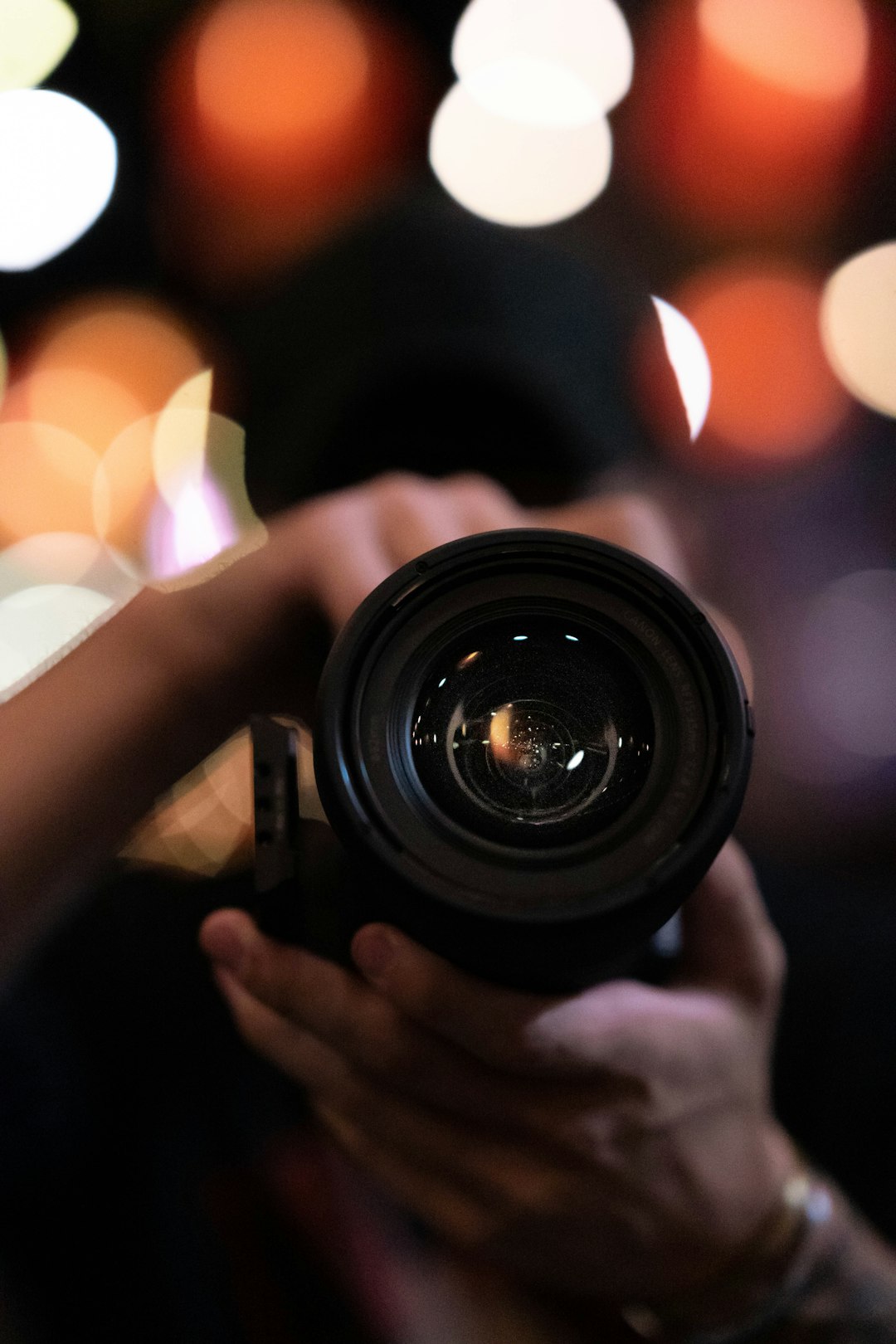
What’s The Real Difference Between Prime And Zoom Lenses?
A prime lens has one fixed focal length, like 35mm or 85mm. There’s no zoom ring, so if you want a tighter or wider shot, you move your feet instead. A zoom lens covers a range of focal lengths, like 24-70mm, letting you reframe without moving at all. Fewer moving parts inside a prime lens generally means simpler optics, and simpler optics tend to mean sharper images and wider maximum apertures for a given price.
Prime Lens Vs Zoom Lens: Feature-By-Feature Comparison
| Feature | Prime Lens | Zoom Lens |
|---|---|---|
| Maximum aperture | Typically wide, f/1.4 to f/1.8 is common | Usually narrower, f/2.8 to f/4, or variable |
| Sharpness | Very sharp with few optical compromises | Sharp, but more glass elements can soften results slightly |
| Weight and size | Lighter and more compact | Heavier and bulkier, especially at longer ranges |
| Versatility | Fixed focal length, you reposition yourself | Covers a range of focal lengths in one lens |
| Low-light performance | Excellent, thanks to wider apertures | Good, but often needs a higher ISO to compensate |
| Price per stop of light | Generally cheaper for the same aperture | More expensive to match the same speed across a range |
When A Prime Lens Makes Sense. Below are the situations where reaching for a fixed focal length pays off.
Portraits And Low Light. A wide maximum aperture like f/1.4 lets in far more light than most zooms can manage, which matters a lot indoors, at dusk, or anywhere you can’t add flash. It also produces a shallower depth of field, which is exactly what most portrait photographers are after for that soft, blurred background.
Learning To See Before You Zoom. Working with one focal length forces you to move around and think about composition instead of standing still and zooming to fix a lazy frame. A lot of photographers credit a 50mm prime with teaching them to actually compose a shot.
Keeping Your Kit Light. Fewer glass elements and a simpler mechanical design mean primes are usually smaller and noticeably lighter than an equivalent zoom, which matters if you’re carrying a camera all day.
When A Zoom Lens Makes Sense. Now, here’s when the flexibility of a zoom is worth the trade-off.
Travel And Uncertain Subjects. When you don’t know what you’ll be shooting next, a 24-70mm or similar zoom lets you react without swapping lenses or missing a shot entirely.
Events And Weddings. Moments happen fast and unpredictably. A zoom lets you go from a wide group shot to a tight candid in a second, which a prime simply can’t do without you physically moving through a crowd.
Wildlife And Sports. You often can’t get closer to your subject, and a telephoto zoom covers the changing distance as the action moves, which a single fixed focal length can’t keep up with.
Also Read: Why Are Camera Lenses So Expensive?
For a closer look at how these two lens types actually perform side by side, this video is worth a watch before you buy:
Frequently Asked Questions
Are prime lenses always sharper than zoom lenses?
Not always, but they usually have an edge. Modern high-end zooms from major brands can rival primes in sharpness, though this generally comes at a much higher price. A budget prime will often still out-resolve a budget zoom at the same price point.
Can one zoom lens replace several primes?
To an extent. A single zoom can cover focal lengths that would otherwise take two or three primes, which is why it’s a popular one-lens travel solution. It won’t fully match the wide apertures or size advantages of dedicated primes, though.
Is a prime lens better for a beginner?
Many photographers recommend starting with an affordable prime, like a 35mm or 50mm, because it’s inexpensive, sharp, and teaches composition through movement rather than zooming. It isn’t a requirement, but it’s a common and low-cost starting point.
Do professional photographers use zoom or prime lenses more?
It genuinely depends on the specialty. Wedding and event photographers lean heavily on zooms for speed and flexibility, while portrait, product, and fine art photographers often prefer primes for the image quality and control they offer.
Final Words
So, prime lens or zoom lens? If you value sharpness, low-light performance, and a lighter bag, a prime is the better fit. If you value flexibility and not having to swap lenses mid-shoot, a zoom earns its extra weight. Either way, the best lens is the one that matches how you actually shoot, so don’t be afraid to try both and see which one you reach for more often.