
You’re browsing camera listings, maybe eyeing a Fujifilm GFX or a Hasselblad, and the price tag makes you do a double take. Some of these bodies cost more than a used car, and that’s before you’ve added a single lens. So what’s actually going on here: why are medium format cameras so expensive?
The short answer is yes, medium format cameras really are that expensive, and it comes down to bigger sensors that are harder to manufacture, far lower production numbers than mainstream cameras, and specialized glass and electronics built for a small, demanding market.
Below, we’ll break down what a medium format camera actually is, the specific factors that push the price up, and whether the jump is worth it for your own work. Let’s hop in!
Why Are Medium Format Cameras So Expensive?
Medium format pricing isn’t one single markup, it’s several cost pressures stacking on top of each other. Every part of the camera, from the sensor to the lens mount, is built in smaller numbers and to tighter tolerances than a typical full frame or APS-C camera, and that shows up in the final price.
What Is A Medium Format Camera, Exactly?
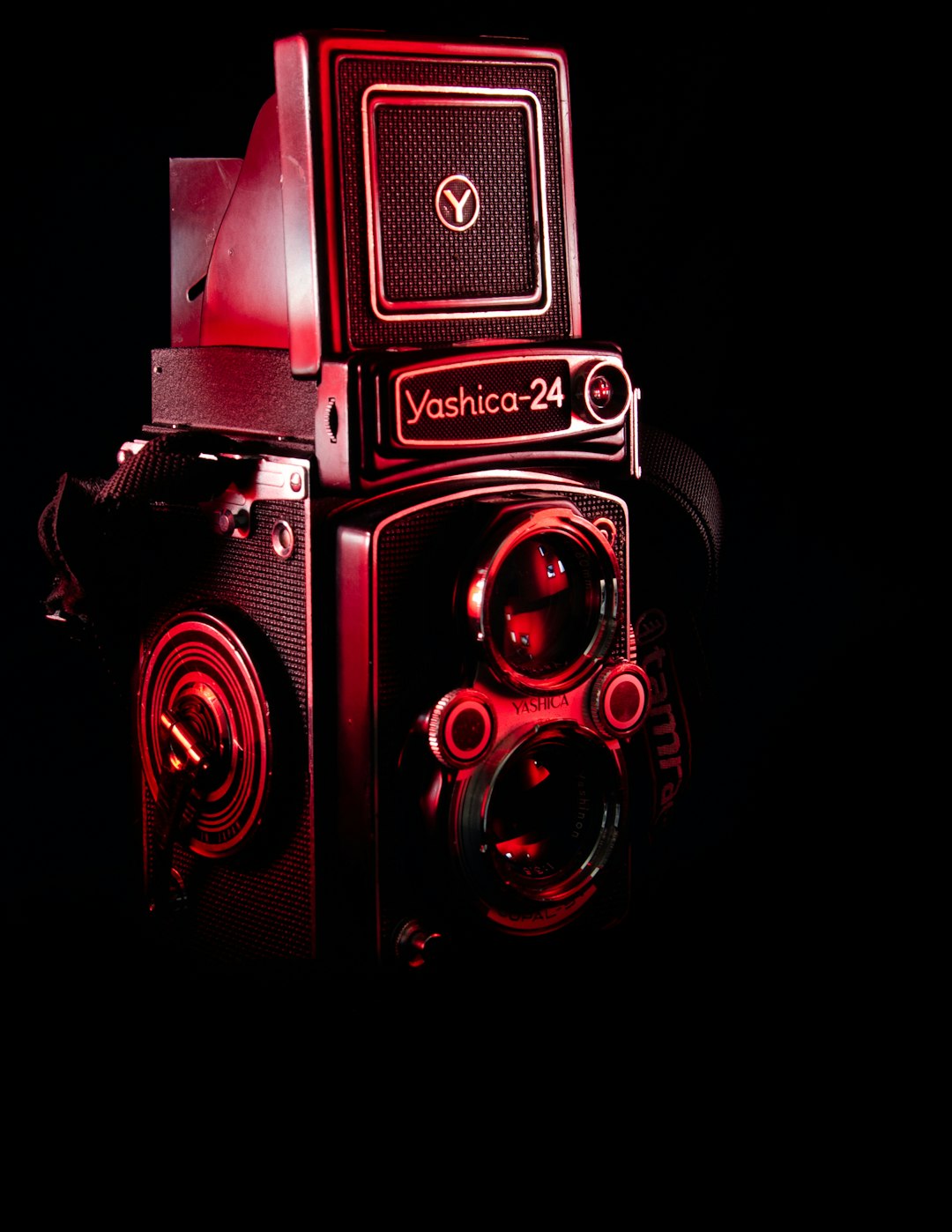
“Medium format” refers to any sensor (or film frame) larger than the 36x24mm full frame standard. Modern digital medium format sensors, like the ones in the Fujifilm GFX line or Hasselblad’s X system, typically measure around 44x33mm, which gives roughly 1.7 times the surface area of a full frame sensor. More surface area means more light-gathering ability, finer tonal gradation, and a distinct rendering that a lot of studio and landscape photographers chase. It also means everything downstream of the sensor (the lenses, the shutter mechanism, the processing hardware) has to scale up to match.
The Main Reasons Medium Format Cameras Cost So Much
| Cost Driver | What It Means | Effect On Price |
|---|---|---|
| Sensor size and manufacturing yield | Larger sensors have more surface area for defects to occur during fabrication | Fewer usable sensors per silicon wafer drives unit cost way up |
| Low production volume | Medium format bodies sell in the low thousands per year, not millions | No economies of scale to spread out R&D and tooling costs |
| Specialized lens engineering | Lenses need a bigger image circle, so elements are larger and more complex | A single medium format lens can cost as much as an entire full frame kit |
| Custom electronics | Larger sensors need bespoke processing hardware, cooling, and firmware | Adds significant per-unit cost that smaller sensors don’t carry |
| Niche market and support | A small user base still needs a dedicated service and repair network | That overhead gets built into the price of every unit sold |
| Mechanical precision | Many systems use leaf shutters, modular backs, and tighter tolerances | More parts and stricter assembly standards raise manufacturing cost |
Sensor Manufacturing Is Brutally Expensive At This Size. Chip manufacturing works on silicon wafers, and a bigger sensor means fewer full sensors fit on each wafer, with a higher chance that any single defect ruins one of them. This is the same reason full frame sensors cost more than crop sensors, just taken a step further. By the time you’re cutting 44x33mm sensors, the yield problem gets significantly worse, and that cost gets passed straight to the buyer.
Nobody Is Buying These In Bulk. A mainstream mirrorless camera might sell hundreds of thousands of units. A medium format body sells in the thousands. Manufacturers still have to recoup the same design, tooling, and testing costs, just across a much smaller number of buyers, so each unit has to carry a bigger share of that investment.
The Lenses Are Its Own Expense. A lens built for a medium format sensor needs a wider image circle to cover that larger area edge to edge without vignetting or softness. That means bigger glass elements, more of them, and more complex coatings, all of which cost more to produce and assemble than an equivalent full frame lens.
The Electronics Have To Keep Up. A bigger sensor produces a lot more data per shot, and that data has to be read out, processed, and written to a card fast enough to be usable. That requires custom image processors and cooling solutions rather than off-the-shelf parts shared across a whole product line.
Support And Servicing Add Overhead. Even a small user base expects repairs, calibration, and firmware support. Maintaining that infrastructure for a niche system costs roughly the same as for a mainstream one, so the cost per customer is naturally higher.
Build Quality Isn’t Cut Anywhere. Many medium format systems still use mechanical features like leaf shutters or modular digital backs that swap between bodies. Those are more parts, assembled to tighter tolerances, and that mechanical complexity adds labor and material cost that a simpler mirrorless body doesn’t have.
Also Read: Why Are Hasselblad Cameras So Expensive?
If you want to see how medium format actually compares to full frame in real shooting conditions before you decide it’s worth the money, this video walks through it well:
Frequently Asked Questions
Is medium format actually better than full frame, or just more expensive?
It depends on what you shoot. Medium format sensors do capture more detail and tonal range, which studio, landscape, and product photographers notice. But for action, wildlife, or general everyday shooting, a good full frame camera will often outperform it in autofocus speed and handling, so “better” really comes down to your use case.
Do medium format cameras hold their value well?
Reasonably well, mainly because the used market is thin and demand is steady among working professionals. That said, resale value still depends heavily on the brand and how actively the system is supported with new lenses and firmware.
Can I get medium format image quality for less money?
Somewhat. Fujifilm’s GFX system brought medium format pricing down closer to high-end full frame territory compared to Hasselblad or Phase One, so it’s the most accessible entry point if the sensor size itself is what you’re after.
Why don’t manufacturers just make medium format cameras cheaper?
They’re limited by the physics of sensor manufacturing and the size of the market. Even if a company wanted to sell these at a lower margin, the underlying sensor and lens production costs don’t scale down the way they do for mainstream cameras made in the millions.
Conclusion
So, why are medium format cameras so expensive? It’s the combination of a larger, harder-to-manufacture sensor, a small buyer base that can’t spread out costs the way mainstream cameras can, and lenses and electronics that all have to be built to match that bigger sensor. That’s the real cost of building this gear, not an artificial markup. Whether it’s worth paying for comes down to whether your work actually needs what that extra sensor size delivers.