
You’ve finally made it out to that lake at sunrise, tripod legs sunk into the mud, and the shot on your screen still doesn’t look like what your eyes are seeing. The sky is blown out, the water has a glare across it, and the whole scene feels flat compared to the real thing. A good filter fixes most of that before you even open editing software, so which camera filters are actually worth carrying for landscape photography?
For most landscape shooters, three filters cover almost everything you’ll need: a circular polarizer, a neutral density filter, and a graduated neutral density filter. Everything else is optional depending on your style of shooting.
We’ve dug through what each filter type actually does, when to reach for it, and the tradeoffs worth knowing before you buy. Keep reading to find out more!
Best Camera Filters For Landscape Photography
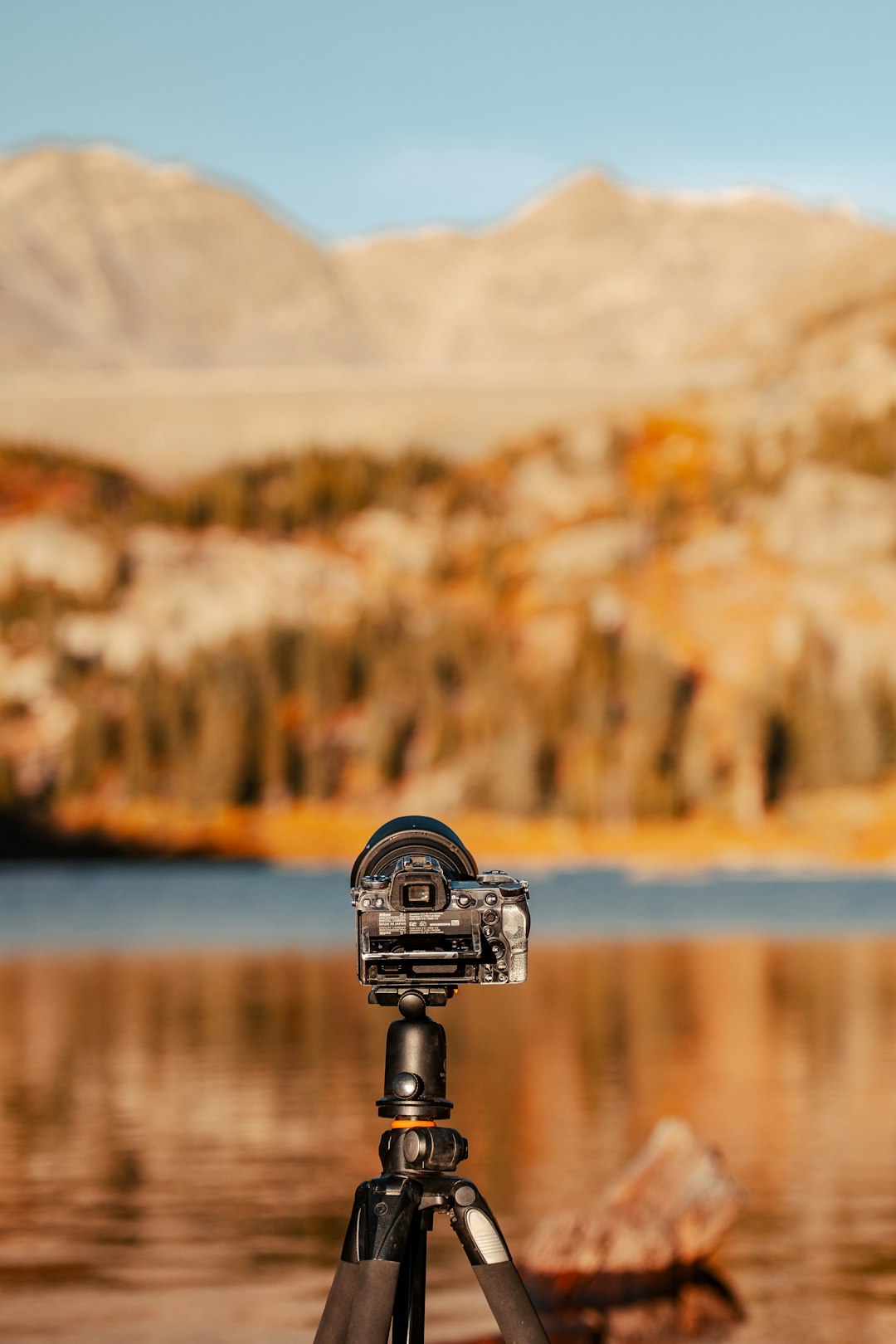
Below are the filter types we’d recommend having in your bag, starting with the one nearly every landscape photographer reaches for first.
1. Circular Polarizing Filter (CPL)
Technical Details: A CPL filter rotates in its mount and cuts glare and reflections from non-metallic surfaces like water, wet rocks, and foliage. It also deepens blue skies and boosts color saturation across the whole scene by reducing scattered light.
Pros: Removes glare from water and leaves without any editing, deepens skies naturally, works on nearly every type of landscape scene.
Cons: Costs you roughly one to two stops of light, and the effect is uneven on very wide-angle lenses since polarization strength changes across the frame.
Conclusion: This is the one filter most landscape photographers should own first.
2. Neutral Density (ND) Filter
Technical Details: An ND filter is essentially sunglasses for your lens. It reduces the amount of light hitting the sensor without changing color, letting you use slower shutter speeds in bright conditions. Fixed NDs come in set strengths, commonly measured in stops (3-stop, 6-stop, 10-stop).
Pros: Lets you smooth out moving water, blur clouds, and shoot wide apertures in daylight without overexposing.
Cons: A strong ND (10-stop and above) makes composing and focusing through the viewfinder difficult, since so little light gets through.
Conclusion: Essential if you want that smooth, misty water look in daytime long exposures.
3. Graduated Neutral Density (GND) Filter
Technical Details: A GND filter is dark on one half and clear on the other, with a transition in between. It’s designed to darken a bright sky while leaving the darker foreground untouched, balancing exposure in a single shot.
Pros: Solves the classic bright-sky, dark-foreground problem without needing to blend multiple exposures later.
Cons: Works best with a flat horizon. Scenes with mountains, trees, or buildings breaking the skyline can show an obvious dark band where the filter transitions.
Conclusion: A strong pick for coastal and open-horizon landscapes, less useful in mixed or cluttered scenes.
4. Variable ND Filter
Technical Details: This is essentially two polarizing elements stacked and rotated against each other, which lets you dial in anywhere from about 2 to 8 stops of light reduction with a single filter instead of carrying several fixed NDs.
Pros: One filter covers a wide range of situations, and it’s convenient for travel when you don’t want to carry a full filter kit.
Cons: Cheaper variable NDs can introduce an X-shaped dark pattern across the frame at their strongest settings, so quality varies a lot between models.
Conclusion: A practical space saver, but worth spending a bit more to avoid the common quality issues on this filter type.
5. UV/Protection Filter
Technical Details: Modern digital sensors aren’t affected by ultraviolet light the way old film was, so on a digital camera this filter’s real job is physical protection for your front lens element against dust, salt spray, and scratches.
Pros: Cheap insurance for your lens, easy to clean or replace if it gets scratched instead of the lens itself.
Cons: Adds another glass surface that can introduce flare in backlit shots if it’s low quality.
Conclusion: Worth keeping on for protection in harsh environments like beaches or dusty trails, but not something that improves your landscape shots directly.
| Filter Type | What It Does | Best Use Case | Typical Cost Tier |
|---|---|---|---|
| Circular Polarizer (CPL) | Cuts glare, deepens skies | Water, foliage, general daylight scenes | Mid-range |
| Fixed ND Filter | Reduces light for slower shutter speeds | Long exposures of water or clouds | Budget to mid-range |
| Graduated ND Filter | Balances bright sky with darker foreground | Flat-horizon sunsets and coastlines | Mid-range |
| Variable ND Filter | Adjustable light reduction in one filter | Travel and mixed conditions | Mid-range to premium |
| UV/Protection Filter | Shields the front lens element | Harsh or dusty environments | Budget |
Also Read: Best Camera Tripods For Travel Photography
Frequently Asked Questions
Do I really need filters if I can edit these effects in post-processing?
Some effects, like graduated darkening, can be approximated in editing software. But a polarizer’s glare removal and an ND filter’s motion blur happen at the moment of capture and can’t be recreated accurately afterward, since that information was never recorded in the first place.
What size filter do I need for my lens?
Check the filter thread size printed on the inside of your lens cap or around the front rim of the lens itself, usually marked with a circled “ø” symbol followed by a number in millimeters. Buy filters that match that measurement, or use step-up rings if you shoot with multiple lenses of different sizes.
Can I stack multiple filters together?
Yes, a CPL and an ND filter are commonly stacked. Just be aware that stacking several filters, especially on wide-angle lenses, can cause vignetting in the corners of your frame.
How does a variable ND filter differ from a fixed ND filter?
A fixed ND filter gives you one set strength, while a variable ND lets you rotate the filter ring to adjust the strength within a range. Fixed filters tend to hold image quality more consistently, while variable ones offer more flexibility in changing light.
Do filters reduce image quality?
A cheap filter with poor glass or coatings can introduce color casts, softness, or flare. A well-made filter from a reputable maker shouldn’t cause any visible quality loss, which is part of why it’s worth spending a little more on your polarizer and ND filters specifically.
Conclusion
So, which camera filters are worth buying for landscape photography? Start with a circular polarizer, add a neutral density filter once you want to experiment with long exposures, and bring a graduated ND if you regularly shoot open horizons. Build your kit around how you actually shoot rather than buying everything at once, and you’ll get more use out of every filter you own.