
You’ve booked the trip, packed the camera bag, and started researching lenses, only to realize your camera has been sitting on a wobbly, ten-year-old tripod that barely survives a light breeze. Long exposures of a waterfall or a city skyline at night need something steadier, but tripods range from twenty dollars to several hundred, and it’s not obvious what actually matters. So which tripod should you actually buy for travel photography?
For most travel photographers, a carbon fiber tripod under three pounds with a ball head and a maximum height around 55 to 60 inches hits the best balance of stability, portability, and price.
Let’s hop in! Below we’ll walk through what actually matters when choosing a travel tripod, five solid picks across different budgets, and a quick comparison table so you can see the trade-offs side by side.
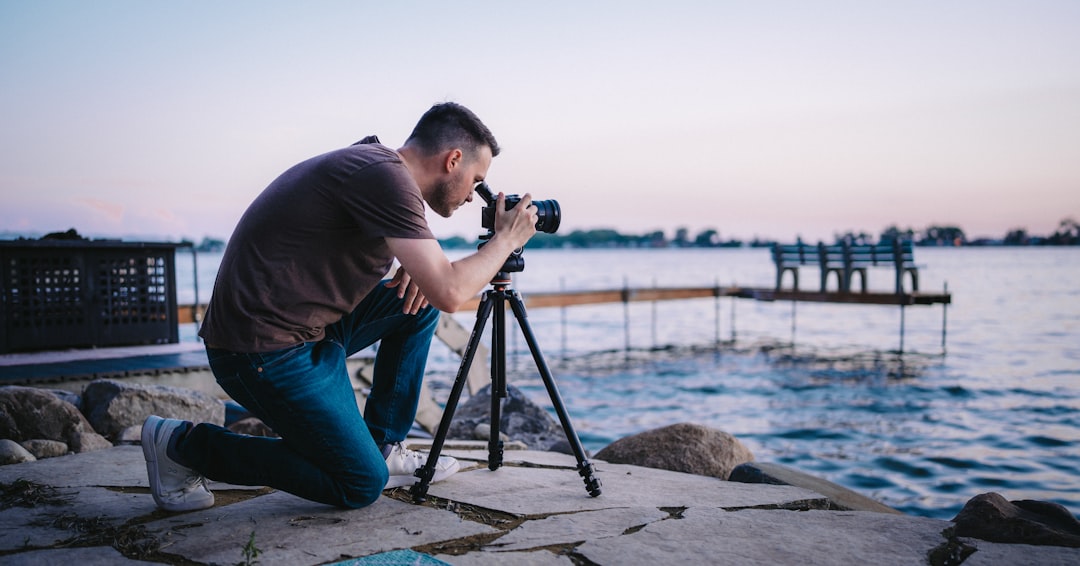
Best Camera Tripods For Travel Photography
A travel tripod has to do two jobs that pull against each other. It needs to be light and small enough that you’ll actually bring it, and it needs to be stable enough to hold a camera steady in wind, on uneven ground, or with a heavier zoom lens attached. Cheap tripods usually solve the weight problem by using thin, flexible legs, which means they solve the wrong problem.
Material matters more than most people expect. Aluminum tripods are cheaper and heavier. Carbon fiber tripods cost more but weigh roughly a third less for the same stability, which adds up fast when it’s strapped to a backpack for a ten-day trip.
Load capacity should have real headroom. Check the manufacturer’s stated maximum load and aim for at least double the combined weight of your camera and heaviest lens. A tripod rated right at your camera’s weight will feel shaky the moment you add a longer lens or a strong gust of wind.
Leg locks affect setup speed. Twist locks are lighter and pack down smaller. Flip locks are faster to open and close but add a bit of bulk. Neither is wrong, it comes down to how you shoot.
A ball head beats a pan-tilt head for travel. Ball heads let you angle the camera in one quick motion and lock it with a single knob, which matters when you’re trying to grab a shot before the light changes.
Five travel tripod picks worth considering
1. A compact carbon fiber travel tripod (budget: mid-range)
Technical Details: Carbon fiber legs, folds down to around 16 inches, weighs under 3 lbs, load capacity around 20-26 lbs, includes a ball head.
Pros: Light enough for daily carry, folds small enough to fit in most carry-on bags, stable in moderate wind.
Cons: Costs noticeably more than an equivalent aluminum model.
Conclusion: The best all-around choice if your budget allows it.
2. A budget aluminum tripod
Technical Details: Aluminum legs, folds to around 18-20 inches, weighs 3.5-4.5 lbs, load capacity around 15-20 lbs.
Pros: Noticeably cheaper, still sturdy enough for most compact cameras and mirrorless bodies with a standard lens.
Cons: Heavier to carry all day, and the extra weight becomes obvious on long hikes.
Conclusion: A sensible starting point if you’re not sure how much you’ll actually use a tripod.
3. A travel tripod with a built-in monopod leg
Technical Details: One leg detaches to convert into a standalone monopod, aluminum or carbon fiber options, moderate weight around 3-4 lbs.
Pros: Two tools in one, useful for photographers who also shoot handheld with a monopod at events or wildlife outings.
Cons: The conversion mechanism adds a bit of extra weight and one more thing that can wear out over time.
Conclusion: Worth it specifically if you already know you want a monopod too.
4. A mini tabletop tripod
Technical Details: Flexible or fixed short legs, usually under 12 inches tall, weighs under 1 lb, load capacity varies widely by model.
Pros: Fits in a jacket pocket, useful for flat-lays, vlogging, or propping a camera on a ledge or railing.
Cons: Not a substitute for a full-height tripod on uneven ground or for long landscape exposures.
Conclusion: A smart second tripod, not a replacement for a full-size one.
5. A premium carbon fiber tripod with interchangeable feet
Technical Details: Carbon fiber legs, swappable rubber and spike feet, load capacity often above 30 lbs, weighs around 3-4 lbs.
Pros: Handles heavier telephoto lenses with ease, spike feet add grip on soft or uneven ground.
Cons: The highest price point of the five, which may be more than casual travelers need.
Conclusion: Built for photographers who shoot landscapes or wildlife with heavier gear and need it to work everywhere.
Travel tripod comparison at a glance
| Tripod type | Weight | Best for | Trade-off |
|---|---|---|---|
| Compact carbon fiber | Under 3 lbs | Everyday travel and hiking | Higher price than aluminum |
| Budget aluminum | 3.5-4.5 lbs | Occasional use, tighter budgets | Heavier for all-day carry |
| Tripod with monopod leg | 3-4 lbs | Mixed shooting styles | Extra mechanism, extra weight |
| Mini tabletop | Under 1 lb | Vlogging, flat surfaces | No real height or stability outdoors |
| Premium carbon fiber | 3-4 lbs | Landscape and wildlife with heavy lenses | The most expensive option |
Also Read: How To Keep Camera Steady While Walking Or Filming
Frequently Asked Questions
Do I really need carbon fiber, or is aluminum good enough?
Aluminum is good enough for most casual travelers, especially if the tripod stays in a checked bag rather than a daypack. Carbon fiber earns its higher price when you’re carrying the tripod on your back for miles at a time and every pound matters.
What tripod height should I look for?
Look for a tripod that reaches close to your eye level without extending the center column all the way, since a fully extended center column reduces stability. Somewhere around 55-60 inches works for most adults.
Can I use a tripod on a plane?
Yes, tripods are generally allowed in both carry-on and checked luggage, though airline policies vary slightly. A folded travel tripod under about 20 inches usually fits in a carry-on bag without issue.
Is a phone tripod adapter worth buying alongside a camera tripod?
If you also shoot video or photos on your phone while traveling, a small clip-on adapter is inexpensive and lets you use the same tripod for both, so it’s worth the small extra cost.
How much should I budget for a decent travel tripod?
A solid aluminum option starts around the mid-double-digits, while a good carbon fiber tripod with a ball head typically runs into the low hundreds. Spending a bit more up front usually means not replacing it after one trip.
Conclusion
So which tripod should you buy for travel photography? If your budget allows it, a compact carbon fiber tripod with a ball head is the pick that will serve you across the widest range of situations, from windy coastlines to crowded city streets. If you’re still figuring out how much you’ll use a tripod, a budget aluminum model is a perfectly reasonable place to start. Whichever one you pick, a steady base under your camera is one of the simplest upgrades you can make to your travel shots.