
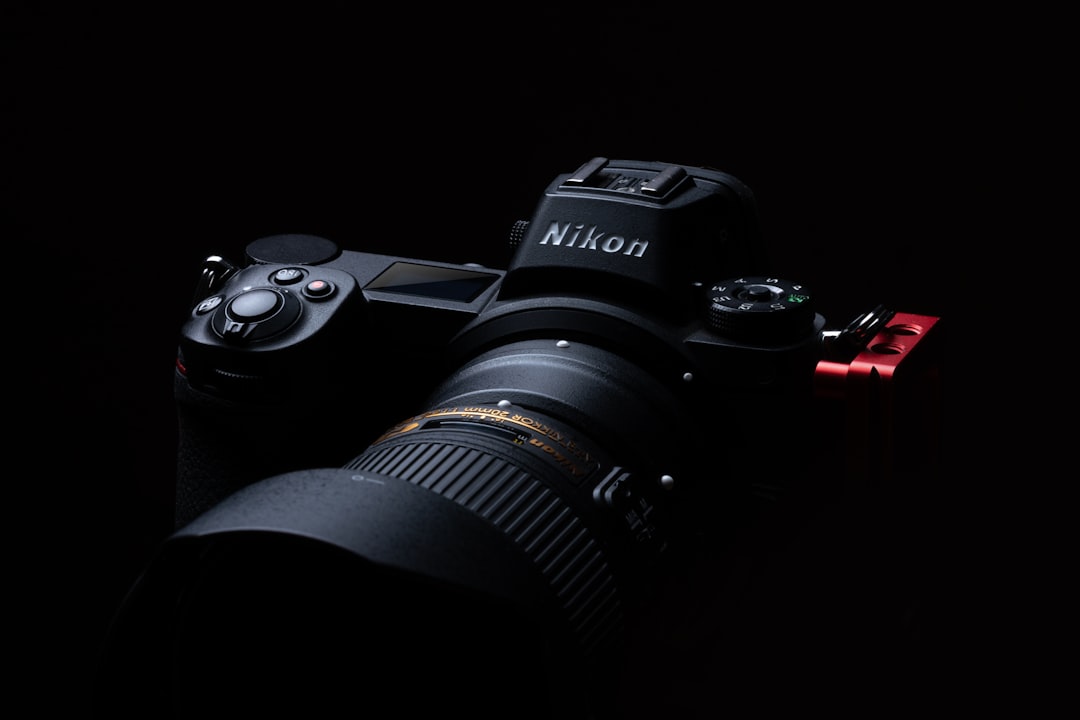
So you’ve made the jump from a Nikon DSLR to one of Nikon’s Z-series mirrorless cameras, but you’re not ready to sell off the F-mount lenses you’ve spent years collecting. Before you do, it’s worth asking: can you use Nikon F lenses on a Nikon Z mirrorless camera?
Yes, you can. Nikon F-mount lenses work on Nikon Z cameras with the right adapter, and most autofocus lenses keep their autofocus and metering functions when you do.
This post covers how the adapter works, which of your existing lenses will function properly, which ones won’t, and what to expect in terms of autofocus speed compared to shooting on a DSLR. Let’s hop in!
Can You Use Nikon F Lenses On A Nikon Z Mirrorless Camera?
Overview of the F-mount to Z-mount switch
Nikon’s F mount had been the standard lens mount on Nikon DSLRs since 1959, so there are decades of F-mount lenses in circulation, from old manual-focus glass to modern autofocus lenses. When Nikon introduced the Z mount for its mirrorless cameras, the mount itself changed physically, wider diameter and a shorter flange distance, which means F-mount lenses can’t attach directly to a Z-mount body. That’s what the FTZ adapter is for. Worry not, this isn’t Nikon abandoning older lenses. The adapter was designed specifically to keep as much of that lens library usable as possible.
How the FTZ adapter works
The FTZ (and newer FTZ II) adapter is a mechanical and electronic bridge. It attaches to the Z-mount body like a lens would, and the F-mount lens attaches to the other end of the adapter. It passes autofocus motor signals, aperture control, and metering data between the lens and the camera body, so in most cases the camera treats an adapted lens close to how it would treat a native one.
What works well: AF-S and AF-P lenses (the ones with a built-in focus motor) generally autofocus reliably through the adapter, including eye-detection autofocus on compatible bodies.
What works with limitations: Older AF and AF-D lenses, which rely on a focus motor inside the camera body rather than the lens itself, will mount and meter correctly but won’t autofocus, since Z-series bodies don’t have that in-body motor. You’ll need to focus manually.
What won’t work at all: Very old non-AI lenses from before Nikon added electronic communication won’t meter properly, and some manual pre-AI lenses may not physically mount without modification.
What to expect in real use
Autofocus speed on adapted AF-S lenses is close to what you’d get on a DSLR, though it can lag slightly behind Nikon’s newer native Z-mount lenses, which are built specifically around the mirrorless autofocus system. There’s no cause for alarm if you notice the difference. It’s usually small enough that it won’t affect everyday shooting, and it tends to be more noticeable in fast-action or low-light situations.
Compatibility at a glance
| Lens Type | Works With FTZ Adapter | Autofocus | Notes |
|---|---|---|---|
| AF-S / AF-P (built-in motor) | Yes | Yes, full autofocus | Closest experience to a native Z lens |
| AF / AF-D (body-motor driven) | Yes | No, manual focus only | Meters and mounts correctly |
| AI-P / AI manual lenses | Yes | No | Manual focus, metering works |
| Pre-AI lenses | Mount only, no metering | No | May need modification to mount safely |
| Some older teleconverters/accessories | Not guaranteed | Varies | Check Nikon’s official compatibility list |
If you’re weighing whether to keep adapting your F-mount glass or start replacing it with native Z lenses, this is worth reading too. Also Read: Can You Use Canon EF Lenses On A Canon RF Mirrorless Camera?
Frequently Asked Questions
Do I need the FTZ adapter, or will F-mount lenses attach directly?
You need the adapter. The Z mount is physically different from the F mount, so an F-mount lens cannot attach to a Z-mount body without it.
Will my autofocus lenses still autofocus through the adapter?
It depends on the lens. AF-S and AF-P lenses, which have their own focus motor, will autofocus. Older AF and AF-D lenses, which depend on a motor inside the camera body, will not autofocus on a Z-series camera since that body-driven motor isn’t present.
Is there a difference between the FTZ and FTZ II adapters?
The FTZ II is a refined version with a slightly redesigned foot and internal updates, but functionally both perform the same core job of adapting F-mount lenses to Z-mount bodies.
Should I just buy native Z-mount lenses instead?
If budget allows, native Z lenses are generally optimized for faster, more precise autofocus and are built specifically for the mirrorless system. But there’s no need to rush it. Adapting your existing F-mount lenses is a completely valid way to shoot while you build up your Z-mount collection over time.
Does image quality change when a lens is adapted?
No. The adapter is a mechanical and electronic pass-through, it doesn’t contain glass elements, so it doesn’t affect image quality, sharpness, or color rendering.
Final Words
So, can you use Nikon F lenses on a Nikon Z mirrorless camera? Yes, with the FTZ adapter, and most autofocus F-mount lenses will keep working close to how they did on your DSLR. Older body-motor lenses lose autofocus but still mount and meter fine. Either way, your existing lens collection doesn’t have to go to waste just because you’ve switched to mirrorless.