
Every camera listing throws the sensor size at you like you’re supposed to already know what it means. Full frame, APS-C, Micro Four Thirds, sometimes 1-inch on smaller cameras, all sitting next to the megapixel count as if they’re equally easy to compare. They’re not interchangeable specs, and the sensor behind your lens affects your photos more than almost anything else in the camera.
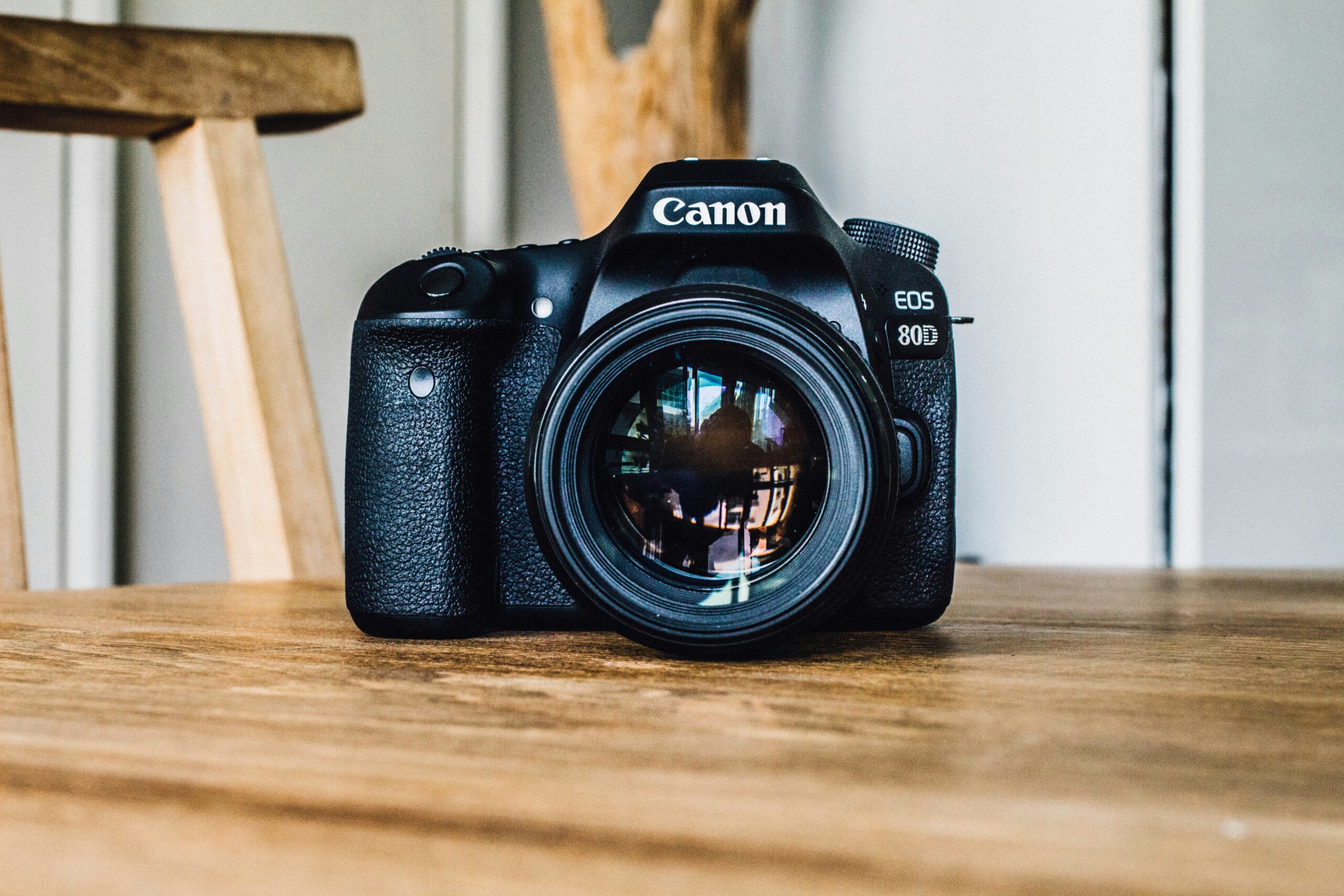
None of these formats is simply “better.” Full frame gives you the most light-gathering surface and the shallowest depth of field, but the cameras and lenses are bigger, heavier, and more expensive. Micro Four Thirds gives up some of that for a system you can actually carry around all day. APS-C sits in the middle, which is exactly why it’s the most common format on the market.
Below, you’ll find what each format actually measures, a side-by-side comparison of how that plays out in your photos, and which one fits how you actually shoot. Keep reading to find out more!
What Do “Full Frame,” “APS-C,” And “Micro Four Thirds” Actually Mean?
These names all refer to the physical size of the sensor inside the camera, not a marketing tier. A bigger sensor physically captures more light per shot, which is where most of the practical differences come from.
| Sensor Format | Physical Size | Crop Factor |
|---|---|---|
| Full Frame | 36 x 24mm | 1.0x (none) |
| APS-C (Nikon, Sony, Fujifilm, Pentax) | 23.6 x 15.7mm | 1.5x |
| APS-C (Canon) | 22.2 x 14.8mm | 1.6x |
| Micro Four Thirds | 17.3 x 13mm | 2.0x |
| 1-Inch (compacts, some bridge cameras) | 13.2 x 8.8mm | 2.7x |
The crop factor is what changes your lens’s effective focal length. A 50mm lens on full frame stays 50mm. The same 50mm lens on an APS-C body behaves more like 75-80mm, and on Micro Four Thirds it behaves more like 100mm. That’s a real practical difference: smaller sensors give you more reach out of the same telephoto lens, but a harder time getting genuinely wide.
How Sensor Size Actually Affects Your Photos
| What It Affects | Full Frame | APS-C | Micro Four Thirds |
|---|---|---|---|
| Low-light / high-ISO performance | Strongest | Good, narrower gap on newer models | Starts struggling past ISO 1600 |
| Depth of field at the same aperture | Shallowest background blur | Moderate | Deepest, harder to blur backgrounds |
| Camera and lens size/weight | Largest, heaviest | Noticeably more compact | Most compact and lightest |
| Telephoto reach from the same lens | No boost | 1.5-1.6x more reach | 2x more reach |
| Typical cost (body and lenses) | Highest | Mid-range | Generally most affordable |
That low-light gap matters more for some people than others. If you mostly shoot outdoors in good light, Micro Four Thirds keeps up fine. If you shoot indoors, at night, or in dim venues often, the difference becomes obvious quickly.
Which Sensor Size Should You Actually Buy?
Full Frame makes the most sense if you shoot professionally, work in low light often (weddings, events, indoor sports), or want the shallowest possible background blur for portraits. You’ll pay for it in body weight, lens weight, and price.
APS-C is the practical middle ground for most hobbyists and a lot of working photographers. You get most of the image quality benefits of a bigger sensor in a noticeably smaller, cheaper system, and it’s what most manufacturers build their beginner and enthusiast lineups around.
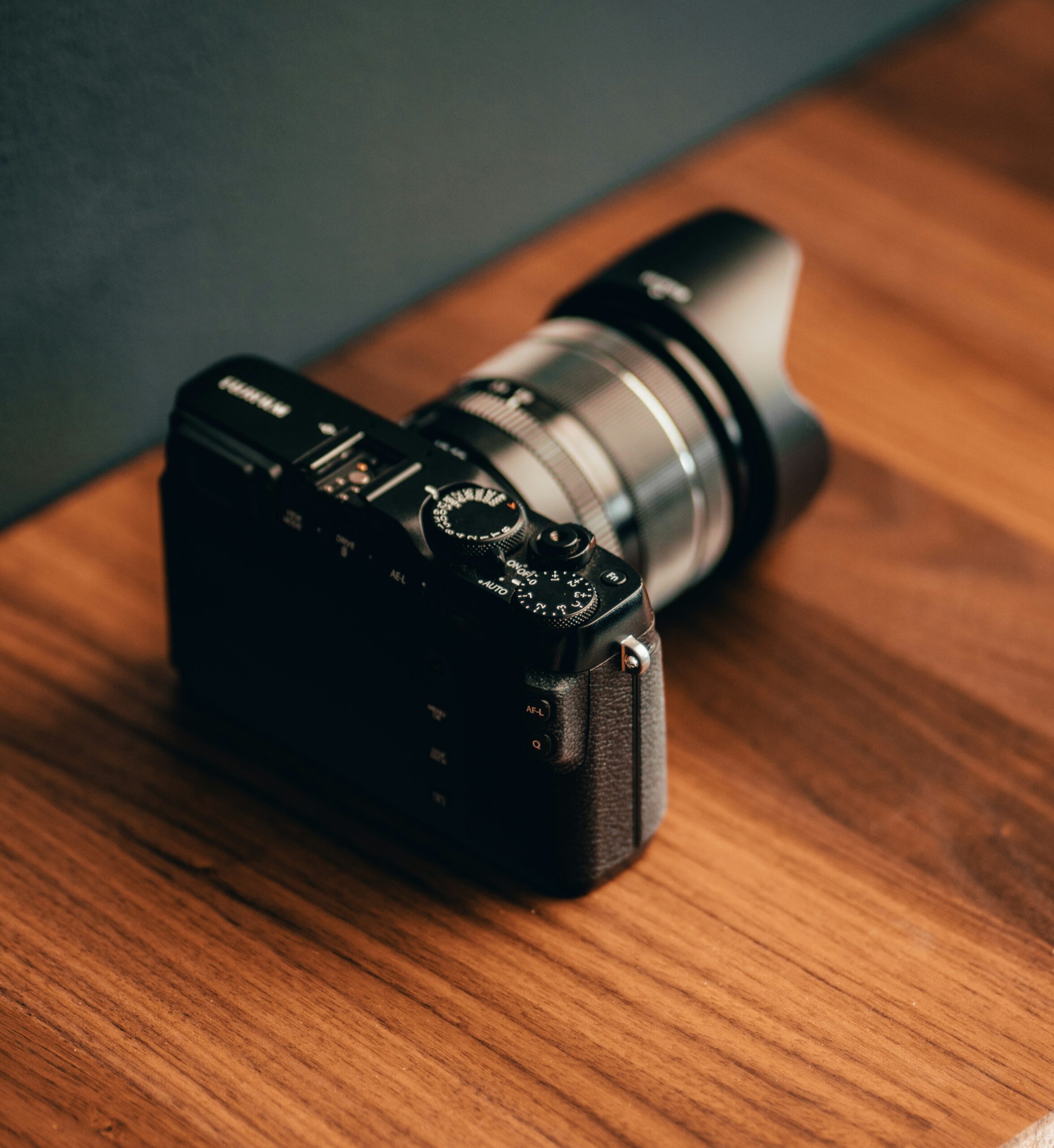
Micro Four Thirds makes sense if size and weight matter more to you than anything else, especially for travel and everyday carry, or if you shoot a lot of telephoto work like birding or wildlife and want the extra reach without buying an enormous lens.
1-inch sensors show up mostly in high-end compacts and some bridge cameras. They’re a step up from a phone camera in a pocketable body, but not a real substitute for an interchangeable-lens system if image quality is the priority.
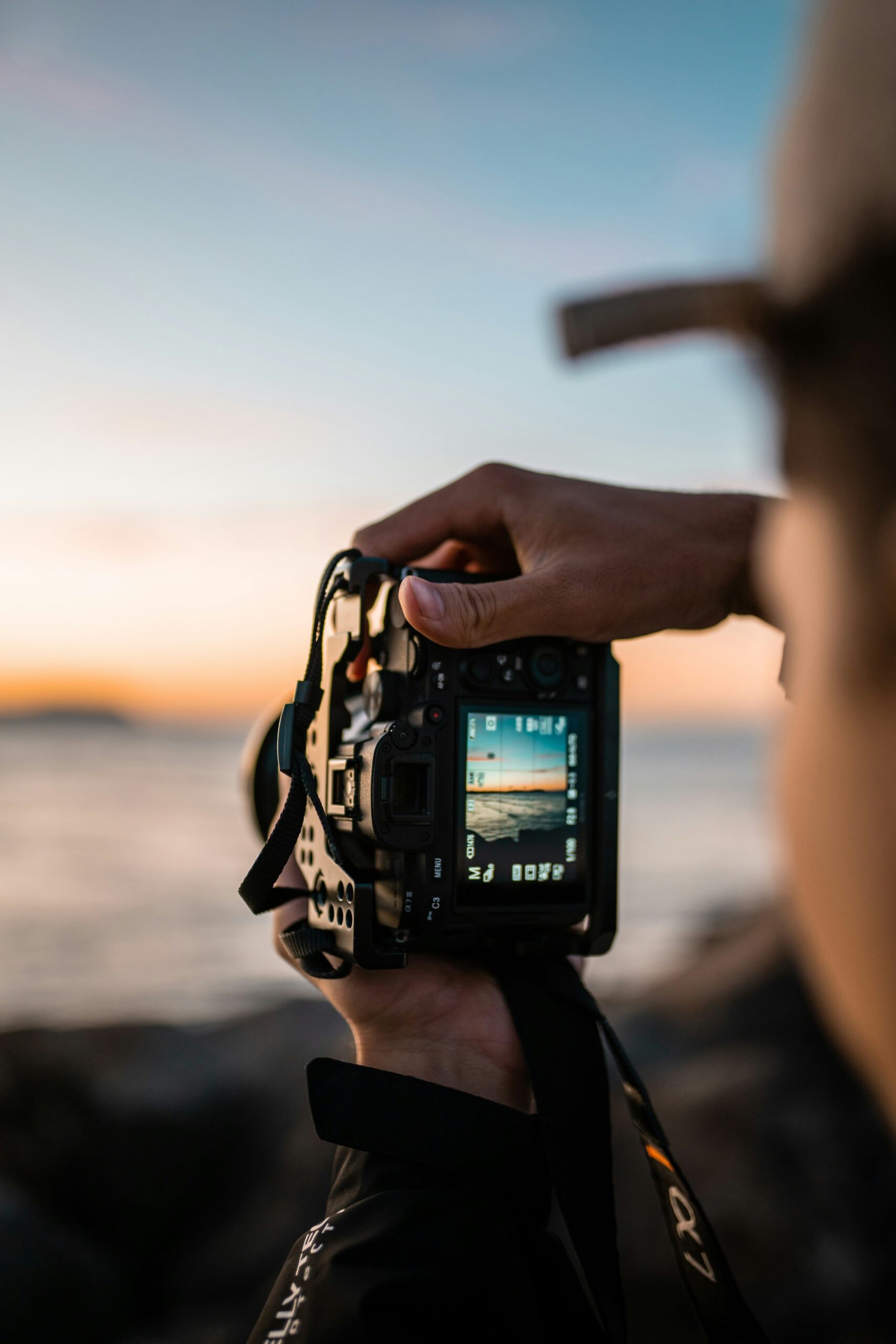
If you want to see the actual image quality differences side by side rather than just read the numbers, this comparison walks through real examples from each format:
Conclusion
So, full frame vs APS-C vs Micro Four Thirds: which is right for you? None of them is objectively the best. Full frame wins on low light and background blur, APS-C balances quality against size and price, and Micro Four Thirds wins on portability and telephoto reach. The right choice comes down to what you actually shoot and how much gear you’re willing to carry to get there.