
You’ve finally saved up for that dream trip, and now you’re staring at your camera body, two lenses, a flash, spare batteries, and a tripod, wondering how on earth all of it is supposed to fit into one bag without your back giving out on day two. So what’s actually the best camera backpack for travel photography, and how do you pick one without buying three before finding the right fit?
Short answer: the best camera backpacks for travel balance padded, customizable internal storage with a comfortable, weather-resistant, travel-friendly shell, and the right one for you depends mostly on how much gear you carry and how you like to travel. There’s no single “best” bag for everyone, but there are a handful of standout options that cover most travel photographers well.
Below, we’ve dug through the current crop of travel camera backpacks and picked out a handful worth your attention, along with what to look for before you buy. Keep reading to find out more!
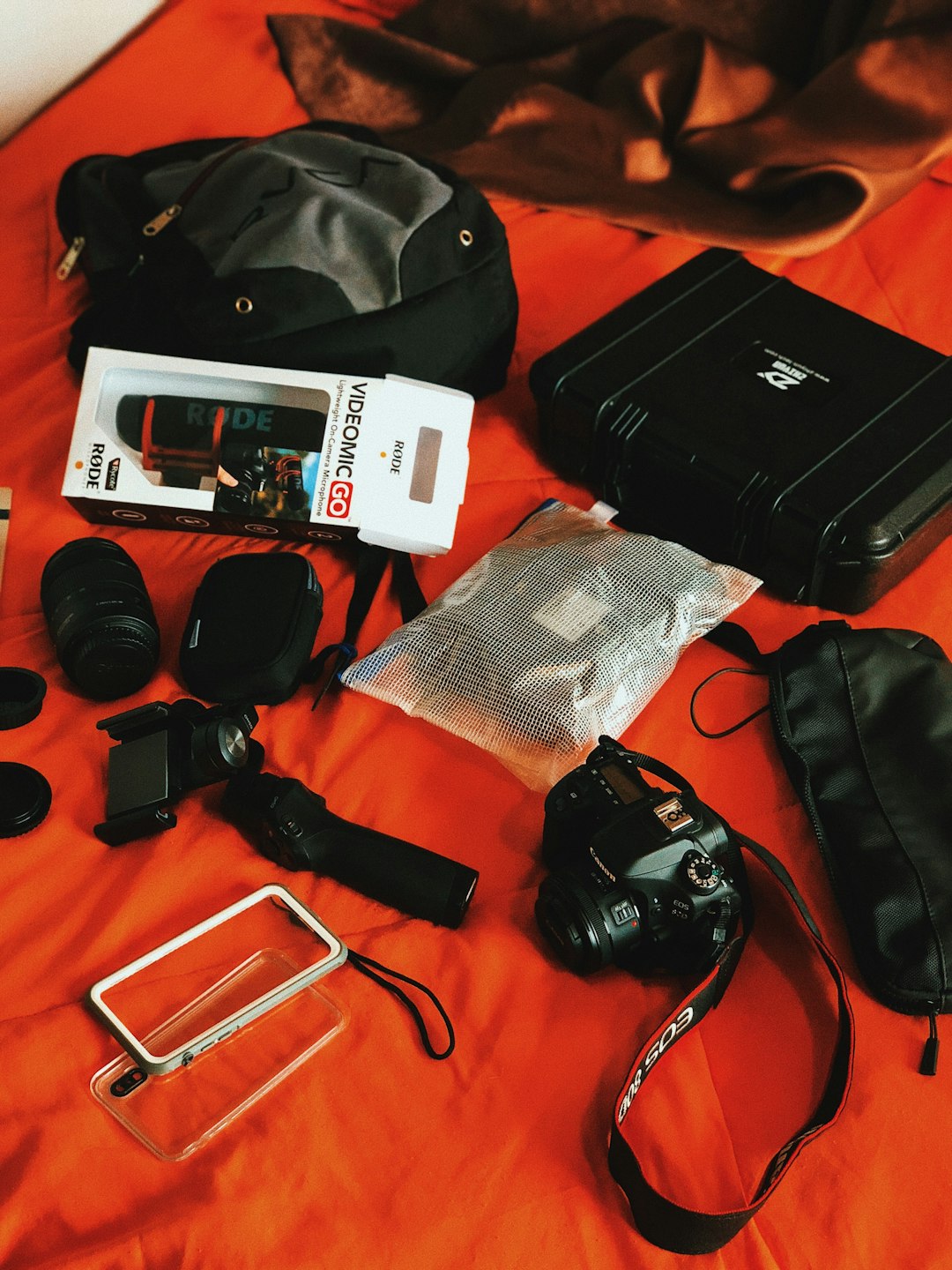
Best Camera Backpacks For Travel Photographers?
Before picking a bag, it helps to know what actually matters for travel use specifically, as opposed to a bag meant for a single day of local shooting. Travel bags need to survive airport carry-on rules, long days of walking, changeable weather, and often doubling as your everyday bag once you land, not just your camera gear on a shoot.
Capacity that matches your actual kit. Buying too big means carrying dead weight; too small means gear left behind. Think in terms of one or two bodies, three to four lenses, and accessories, and buy accordingly.
Carry-on compliance. If you’re flying, check the bag’s dimensions against airline carry-on limits so it doesn’t get gate-checked with your fragile gear inside.
Weatherproofing. A water-resistant shell or included rain cover matters more on the road than at home, since you can’t always control the weather on travel days.
Comfort over long days. Padded, adjustable straps and a hip belt make a real difference once you’re walking for hours with a full bag on your back.
Non-camera storage. A good travel bag also needs room for a laptop, a jacket, a water bottle, and passport-and-wallet essentials, so it can double as your daily carry.
1. Best Overall: A Mid-Size Modular Backpack
Technical Details: Roughly 20-25L capacity, customizable padded dividers, dedicated laptop sleeve, side or rear camera access, tripod straps, and an included rain cover.
Pros: Fits most carry-on rules, versatile enough for both gear and everyday travel items, side access lets you grab a camera without taking the whole bag off.
Cons: Can feel bulky if you only carry one body and a lens; pricier than basic sling bags.
Conclusion: A strong, no-regrets pick for photographers who want one bag to handle both the shoot and the flight.
2. Best For Minimalist Travel: A Compact Sling Bag
Technical Details: Around 8-12L, single-strap sling design, quick-swing access to the main compartment, room for one body with an attached lens plus a spare lens or two.
Pros: Fast access for street and travel photography, lightweight, doesn’t scream “expensive camera gear inside.”
Cons: Limited capacity for longer trips or multiple lenses; less back support on very long walking days.
Conclusion: Ideal for photographers who travel light and prioritize speed over sheer storage.
3. Best For Heavy Kits: A Large Expedition-Style Backpack
Technical Details: 30L+ capacity, reinforced frame, hip belt for weight distribution, room for two bodies, multiple lenses, a drone, and a laptop.
Pros: Genuinely comfortable even fully loaded, protects gear well on rough travel days, room to grow your kit over time.
Cons: Often too large for strict carry-on allowances; heavier even when empty.
Conclusion: Best suited to photographers on assignment-style trips carrying serious amounts of gear.
4. Best Budget Pick: An Entry-Level Padded Backpack
Technical Details: 15-18L, basic customizable insert, single main compartment, small front pocket for accessories.
Pros: Affordable, still offers real padded protection, good for beginners building their first travel kit.
Cons: Fewer organizational features, less durable fabric and zippers than premium options.
Conclusion: A sensible starting point if you’re not ready to spend big on a bag yet.
Here’s how these four options stack up side by side:
| Type | Capacity | Best For | Carry-On Friendly |
|---|---|---|---|
| Mid-Size Modular Backpack | 20-25L | All-round travel photography | Usually yes |
| Compact Sling Bag | 8-12L | Street and light travel | Yes |
| Expedition-Style Backpack | 30L+ | Heavy, multi-body kits | Often no |
| Entry-Level Padded Backpack | 15-18L | Beginners on a budget | Usually yes |
So which one should you actually buy? Apart from thinking about capacity, be honest about how you travel. If you hop between cities with a full kit and a laptop, the mid-size modular backpack is the safest bet. If you’re shooting street photography with one body, the sling bag will serve you far better day to day.
Also Read: 8 Best Ways To Store Camera Lens In A Bag – With Maintenance Tips!
Frequently Asked Questions
How many liters do I need for a week-long trip?
For most photographers carrying one or two bodies and a few lenses, 20-25L is enough for a week, especially if the bag also holds a change of clothes or daily essentials. Heavier kits or longer trips may need 30L or more.
Can I bring a camera backpack as carry-on luggage?
Most camera backpacks under roughly 25L are designed to meet standard airline carry-on dimensions, but it’s worth checking the exact measurements against your airline before flying, since limits vary between carriers.
Do I need a hip belt on a camera backpack?
Not always, but it helps a lot on long walking days once the bag is fully loaded, since it shifts weight off your shoulders and onto your hips. For lighter kits or short outings, it’s less essential.
Is a rolling camera bag better than a backpack for travel?
Rolling bags are easier on your back for airport terminals but struggle on uneven ground, stairs, or cobblestone streets, which are common on actual travel days. A backpack tends to be more practical once you’re off the smooth airport floor.
Will a padded insert protect my gear from a hard landing?
A quality padded insert protects against everyday knocks, drops from a low height, and rough handling, but it isn’t a substitute for a hard case if you’re checking the bag or expecting genuinely rough treatment.
Conclusion
So, what’s the best camera backpack for travel photography? It really comes down to matching the bag to your kit and your travel style, whether that’s a versatile mid-size modular pack, a fast compact sling, or something built to handle a heavier load. Pick the one that fits how you shoot and travel, and you’ll stop thinking about your bag altogether and get back to enjoying the trip.